How to Clean a Pole and Why the Wrong Cleaner Ruins Grip
Quick Answer: Use isopropyl alcohol at 70 percent or above on a lint-free cloth, then dry-buff with a second clean cloth. That is the whole method for chrome, brass, and stainless. What ruins grip is anything that leaves a film - all-purpose sprays, glass cleaner with additives, baby wipes, and above all fabric-softener-washed cloths. Powder-coated and silicone poles have completely different rules and alcohol will damage some of them. A pole that feels slippery straight after cleaning almost always has residue on it, not a finish problem.
The most common complaint in a pole studio is that the pole is slippery, and the most common cause is not humidity or hand cream. It is the cleaning cloth.

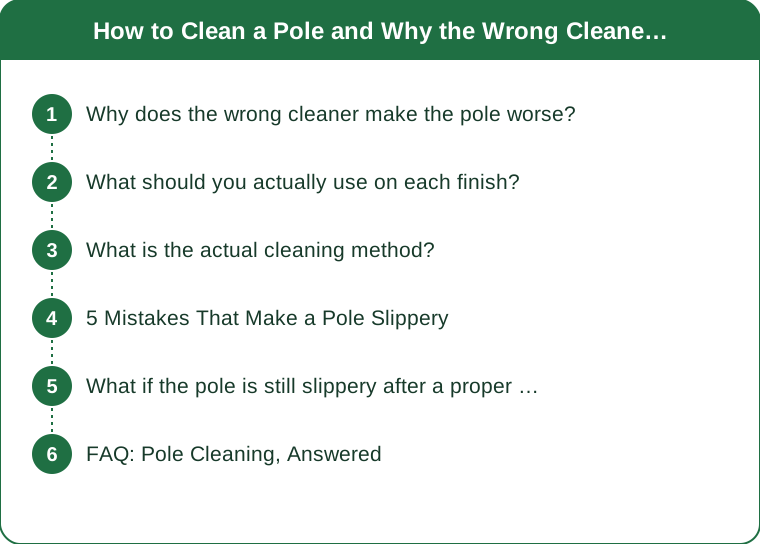
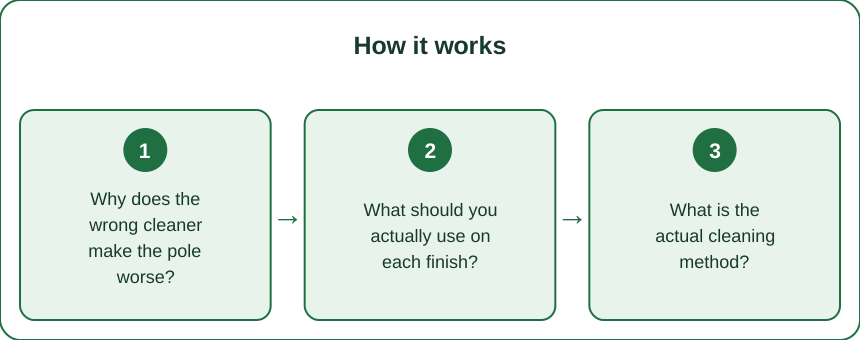
Why does the wrong cleaner make the pole worse?
Because grip on a pole is friction between skin and metal, and anything sitting between them reduces it. A cleaner that evaporates completely leaves bare metal. A cleaner with surfactants, moisturisers, fragrance, or polymers leaves a microscopically thin film that behaves like a lubricant.
All-purpose sprays are the biggest offender. They are formulated to leave a shine, and shine means a residual layer. It is invisible and it is enough to make a well-executed spin slide.
Glass cleaner is a mixed bag. Plain ammonia-and-water formulas evaporate cleanly. Most supermarket versions include anti-streak polymers that do not.
Baby wipes and antibacterial wipes leave the most residue of anything commonly used. They contain emollients by design, and using one on a pole between students transfers a moisturiser onto the surface every time.
Fabric softener on the cloth is the invisible version of the same problem. A microfibre cloth washed with softener carries a waxy coating that transfers straight onto the pole. This single detail explains a great many mystery slippery poles in home setups.
And residue accumulates. One wipe with the wrong product is recoverable; six weeks of it builds a layer that needs a proper strip to remove.
What should you actually use on each finish?
Chrome: isopropyl alcohol, 70 to 99 percent. This is the default and it is what most studios use. It cuts skin oils, evaporates completely, and leaves nothing behind.
Brass: isopropyl alcohol as well, and expect tarnish. Brass oxidises and the surface dulls, which is normal and does not affect grip - many polers find slightly tarnished brass grippier. Do not use brass polish, which is abrasive and leaves a compound residue.
Stainless steel: isopropyl alcohol. Stainless is the least grippy of the metals for many people and the most sensitive to residue, so cleaning discipline matters most here.
Powder coated: check the manufacturer first, and usually use warm water with a tiny amount of mild dish soap, then rinse and dry thoroughly. Alcohol can dull or damage some powder coatings over time.
Silicone: manufacturer instructions only, and usually water alone. Silicone poles are designed for grip through the material itself, and solvents degrade them.
Titanium gold: treat as chrome, but be gentle - the coating is thin. Avoid anything abrasive including scouring pads and paper towel, which is more abrasive than people realise.
Never use vinegar on any pole. It is acidic, it attacks plating and brass, and it is a persistent piece of internet advice that damages equipment.
What is the actual cleaning method?
Use two cloths: one wet, one dry. This is the part almost everyone skips and it is the part that makes the difference.
Cloth one: lint-free microfibre, lightly dampened with isopropyl alcohol. Not soaked. Work from the top down in sections, using firm pressure and going all the way around.
Cloth two: completely dry, clean microfibre. Immediately buff each section after wiping. This lifts the dissolved oils rather than spreading them, and it removes any alcohol that has not yet flashed off.
Wash the cloths without fabric softener, ever. Wash them separately from anything else and skip the softener and dryer sheets. This is worth writing on the machine if you share a household.
Do the full pole, not just the grip section. Oils migrate, and a dirty upper section transfers down onto your hands the first time you climb.
Clean before class rather than after. A pole cleaned at the end of the night sits overnight collecting dust; a pole cleaned ten minutes before you train is properly clean when it matters.
And clean between every user in a shared setting. This is a hygiene requirement as much as a grip one.

5 Mistakes That Make a Pole Slippery
1. Using a cloth washed with fabric softener. The single most common cause of a mystery slippery home pole, and it is invisible until you strip the pole properly and the problem disappears.
2. Skipping the dry buff. Wiping with alcohol and walking away leaves dissolved skin oil sitting on the surface, redistributed rather than removed. The second cloth is what actually takes it off.
3. Using paper towel. It is mildly abrasive on plated finishes, it sheds fibres, and on chrome it will produce fine scratching over months.
4. Cleaning with the pole set up in spin mode. It sounds trivial and it means you cannot apply proper pressure - the pole rotates away from the cloth. Set it to static to clean, then switch back. This is the third mistake that catches out experienced polers with home setups.
5. Applying grip aid to a dirty pole. Grip products are designed for a clean surface. Layering dry hands or a tacky grip over yesterday’s skin oil produces a sticky-then-slippery mess that behaves unpredictably mid-move, which is worse than a plain slippery pole.
A sixth: cleaning only where you spin. Handprints from a climb sit above the working section and come straight back down onto your hands.
What if the pole is still slippery after a proper clean?
Strip it once, properly. If residue has built up over weeks, one alcohol wipe will not remove it. Go over the pole three times with fresh alcohol and a fresh cloth each pass, drying between passes. Most persistently slippery poles come back after this.
Then check your skin rather than the pole. Body lotion, sunscreen, and hair conditioner all transfer, and they transfer from your legs and torso as much as from your hands. Skip lotion on training days from the shoulders down.
Check the air. Dry autumn air changes grip meaningfully - the first weeks of indoor heating strip humidity out of a studio and hands that were slightly damp all summer become dry and dusty. That is a genuinely different grip problem and it calls for a moisture-based grip aid rather than a drying one.
Check the temperature. A cold pole in an unheated studio is slippery for everyone. Warming your hands and the pole surface with friction before the first move helps more than any product.
Check the grip aid you are using against the conditions. Drying agents help sweaty hands and make dry hands worse. Tacky products do the reverse. Using the wrong one is a common autumn mistake, because the conditions flip in September and people keep using their summer product.
And if it is a shared studio pole that is slippery for everyone, say so. A pole that has been wiped with the wrong product for a month needs a strip, and the studio will want to know.
FAQ: Pole Cleaning, Answered
Can I use rubbing alcohol from the pharmacy?
Yes - that is isopropyl alcohol. Check the concentration, and prefer 70 percent or higher. Anything below about 60 percent is mostly water and will not cut skin oil properly.
How often should I clean a home pole?
Before every session, plus a full three-pass strip every month or so. The before-every-session clean takes two minutes and prevents build-up entirely.
Is it normal for a brass pole to go dull?
Yes. Brass oxidises and many polers prefer the grip once it has. Do not polish it back with brass cleaner - the compound residue is far worse for grip than the tarnish.
Why does the pole feel grippier at the end of class than the start?
Warmth and slight moisture from your hands. It is normal, and it is why a proper warm-up on the pole before attempting anything hard is worth the time.
Can I use a pole cleaning product sold by the pole brand?
Usually yes, and check the ingredients for anything described as conditioning or shine-enhancing. If it is essentially alcohol, it is fine and you are paying for packaging.
TL;DR:
- Isopropyl alcohol at 70 percent or above on a lint-free cloth, then a dry-buff with a second clean cloth - that is the whole method for chrome, brass, and stainless.
- Powder-coated and silicone poles need completely different treatment; check the manufacturer, and never use vinegar on anything.
- Cloths washed with fabric softener transfer a waxy film onto the pole and are the most common cause of a mystery slippery home pole.
- Skipping the dry buff spreads dissolved skin oil rather than removing it.
- If it is still slippery, strip it in three passes, then check your own lotion and sunscreen before blaming the pole.
And swap your grip aid when the heating comes on. A drying product that was perfect in August works against you once the studio air dries out.
Keep Reading
This article is for general informational and styling purposes only. Fit, sizing, and product availability may vary — check current details before purchasing.