Pole Dance Recovery: Why Rest Days Matter More Than Extra Practice
Quick Answer: Pole dance places significant repetitive grip, shoulder, and core demand on the body, and skin needs time to recover from grip-based bruising and calluses. 2-3 pole sessions a week with dedicated rest days between them generally produces faster strength and skill progress than daily practice, which often leads to overuse injury and skin damage instead.
It feels counterintuitive — more practice should mean faster progress — but pole’s specific combination of grip strength demand, skin contact, and full-body stabilization actually needs recovery time built in, or progress stalls out from accumulated fatigue instead of speeding up.

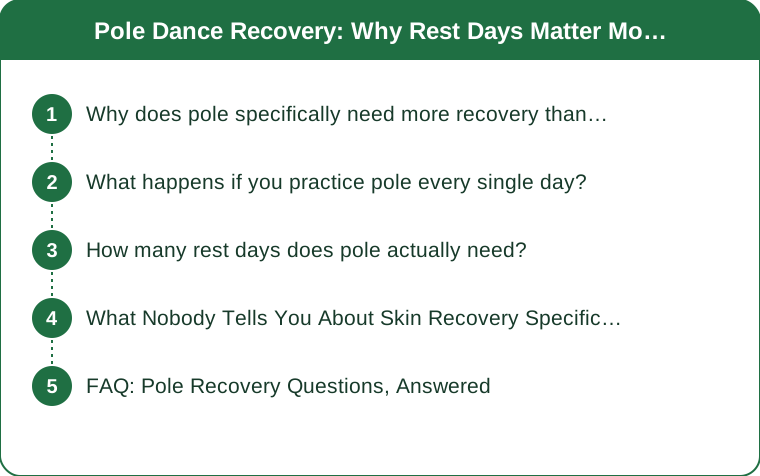
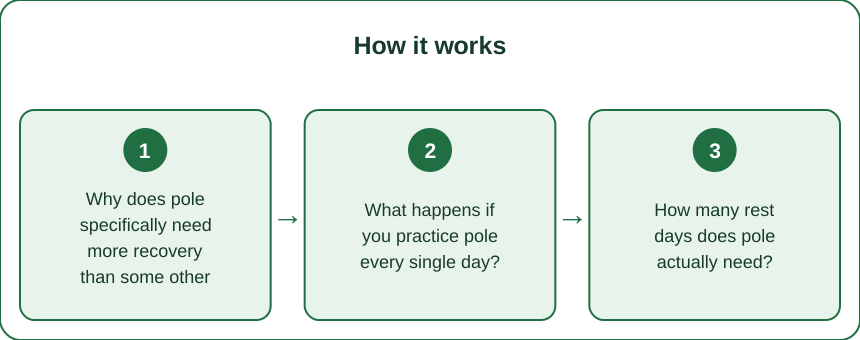
Why does pole specifically need more recovery than some other sports?
Pole combines grip-intensive holds, repetitive skin contact for grip (bruising and friction), and significant shoulder and core stabilization all in one session — a combination that creates cumulative micro-trauma to skin, tendons, and connective tissue faster than many other strength disciplines with similar session length.
What happens if you practice pole every single day?
Skin doesn’t get adequate time to heal between sessions, which tends to worsen bruising and calluses rather than building tolerance faster. Grip and forearm tendons, under constant repetitive load without recovery, are at higher risk of overuse tendinitis — a common reason pole practitioners plateau or get sidelined.
How many rest days does pole actually need?
Most pole instructors and experienced practitioners recommend 2-3 pole sessions weekly with a rest or cross-training day between each, which gives skin, grip tendons, and shoulder stabilizers enough recovery time while still maintaining consistent skill practice frequency.
What Nobody Tells You About Skin Recovery Specifically
Pole grip depends partly on skin condition — overly moisturized or overly dry skin both reduce grip, and skin that’s still healing from recent bruising or friction damage grips less reliably than fully recovered skin. This means skipping rest days can create a frustrating cycle: sore, damaged skin grips worse, which leads to compensating with more force, which causes more damage.
FAQ: Pole Recovery Questions, Answered
Is it okay to do other workouts on pole rest days?
Yes — light cross-training like yoga, walking, or non-grip-intensive strength work is generally fine and doesn’t interfere with pole-specific recovery the way another pole session would.
How long do pole bruises typically take to heal?
Most fade within 1-2 weeks; frequent, unhealed bruising in the same spot is a sign you may need more rest days between sessions, not a badge of dedicated practice.
Does taking rest days actually slow down learning new pole tricks?
No — most practitioners report faster skill acquisition with adequate rest, since fatigued grip and shoulders lead to worse practice quality and higher fall risk during skill attempts, not better learning.
TL;DR:
- Pole’s grip, skin, and shoulder demands need more recovery than daily practice allows
- Practicing daily worsens bruising and calluses instead of building faster tolerance
- 2-3 sessions weekly with rest days between them is the generally recommended frequency
- Damaged, unhealed skin grips worse, creating a frustrating overcompensation cycle
Rest days aren’t lost progress in pole — they’re part of how the progress actually happens.
Keep Reading
This article is for general informational and styling purposes only. Fit, sizing, and product availability may vary — check current details before purchasing.