Flexibility Training for Pole Dance Beginners
You watch an instructor fold into a backbend or split effortlessly and think there’s no way your body will ever move like that. Here’s the encouraging part: it’s rarely raw talent. It’s patient, consistent stretching, built up slowly over weeks and months.
Quick Answer: Beginners build pole dance flexibility safely by always warming up before stretching, then working the back, shoulders, hips, and hamstrings consistently rather than intensely. Gentle, frequent practice — a little every day — beats one aggressive weekly stretching session for both results and safety. Progress gradually and respect your current limits; the graceful lines come with time, not force.
Pole dance blends strength and grace, and flexibility is what makes the grace possible. The beautiful lines and dramatic shapes that draw people to pole all rely on supple, well-prepared muscles. For beginners, building flexibility safely and steadily unlocks the moves you’re working toward.

Why does flexibility matter so much in pole dance?
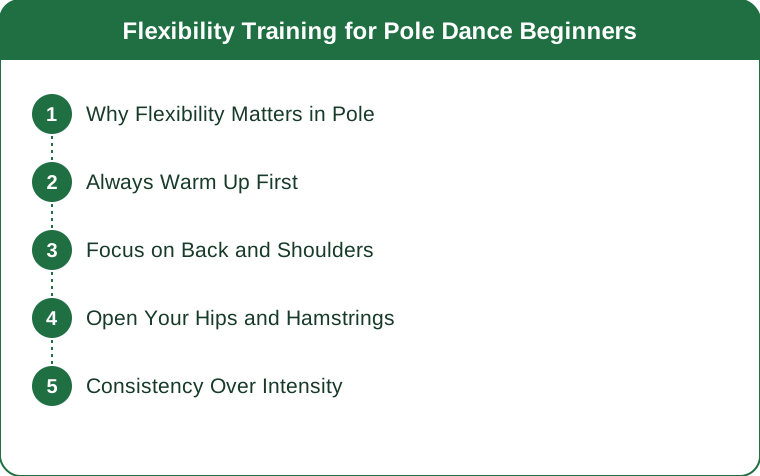
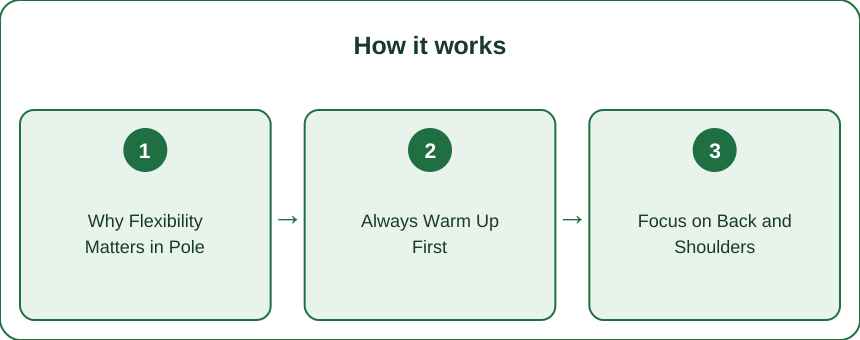
Flexible shoulders, hips, and back make pole shapes look effortless and genuinely expand the range of moves available to you as you progress. Flexibility also protects you, letting your body move into positions without straining a muscle that hasn’t caught up yet to what you’re asking of it. It’s grace and safety rolled into one requirement, which is why instructors tend to bring it up in nearly every beginner class.
Do you really need to warm up before stretching?
Yes, and this is non-negotiable rather than optional. Never stretch cold — a few minutes of light movement, like arm circles or a slow walk around the studio, primes your muscles and dramatically lowers your injury risk. Warm muscles stretch further and recover better than cold ones, so skipping this step doesn’t just risk injury, it also means you’re getting less out of the stretch itself.

Which areas should beginners focus on first: back or shoulders?
Gentle backbends and shoulder-opening stretches build the flexibility behind many signature pole moves, from simple arches to more advanced shapes down the line. Progress slowly here and respect your current limits — these two areas unlock some of the most visually impressive shapes in pole, but they’re also areas where rushing tends to cause soreness or setbacks.
How important are hip and hamstring flexibility for pole?
Hip and hamstring flexibility supports splits, leg extensions, and countless transitions between moves, making it one of the highest-value areas to work on as a beginner. Consistent, patient stretching here pays off across your entire practice, not just in one or two specific moves. Go gently and celebrate small gains — a slightly deeper stretch this month than last month is genuine progress, even if a full split still feels far away.
Is it better to stretch a little every day or push hard once a week?
Consistency beats intensity, and this is one of the most repeated pieces of advice in flexibility training for good reason. Flexibility comes from frequent, gentle practice, not from forcing a deep stretch once a week and hoping it sticks. A little stretching every day — even just 10 minutes — beats one occasional aggressive session that leaves you sore and hesitant to try again. Patience really is the technique here, more than any single stretch or trick.
5 Mistakes Beginners Make With Pole Flexibility
- Stretching cold before class or practice, skipping the warm-up because they’re short on time.
- Forcing a deeper stretch to match what they see an advanced dancer doing, instead of progressing at their own pace.
- Only stretching once a week, usually right before class, instead of little and often throughout the week.
- Ignoring shoulders in favor of hips and hamstrings, even though shoulder flexibility unlocks a huge share of upper-body pole shapes.
- Comparing their flexibility timeline to someone else’s, forgetting that starting flexibility, age, and training history all vary a lot between dancers. (This last one trips up even dancers who’ve been training for a year or more.)
How long does it take to get flexible enough for pole dance?
It varies widely by starting point, but most beginners notice real, usable improvement within 4 to 8 weeks of consistent daily or near-daily stretching, with more dramatic changes like full splits often taking several months of patient work.
Should I stretch every single day?
Gentle stretching most days of the week is generally more effective and safer than occasional intense sessions, though your body also needs some rest days, especially after a hard pole class.
When should I see a physical therapist or trainer instead of just stretching on my own?
If you feel sharp pain (rather than a normal stretching sensation), have a previous injury, or notice one side of your body is significantly less flexible than the other, it’s worth checking in with a physical therapist or a qualified pole instructor before continuing on your own, since they can identify the specific cause and adjust your approach safely.
TL;DR:
- Always warm up before stretching — never stretch cold
- Focus on back, shoulders, hips, and hamstrings — the areas that unlock most pole shapes
- Consistency beats intensity — a little every day beats one hard session a week
- Progress gradually and respect your current limits rather than forcing depth
- See a physical therapist or instructor if you notice pain or a big flexibility imbalance
Flexibility is the quiet foundation beneath pole dance’s most beautiful moves. Warm up every time, work your back, shoulders, hips, and hamstrings, and above all be consistent and patient — grace is built gradually, and your body will get there. This article is for general fitness information only and isn’t a substitute for guidance from a qualified instructor or medical professional.
Keep Reading
This article is for general informational and styling purposes only. Fit, sizing, and product availability may vary — check current details before purchasing.