Pole Fitness for Beginners: What to Expect
Quick Answer: Your first pole fitness classes will be a genuine full-body workout that starts with basic spins and holds, comes with a few normal bruises early on, and asks for patience as your grip and core strength build. It’s more welcoming and far less intimidating than the reputation suggests — beginner classes are built specifically for people who’ve never touched a pole before.
Standing outside your first pole fitness class, watching through the window as someone spins effortlessly, it’s easy to think “there’s no way I can do that.” Every single person in that room started at exactly the same doorway you’re standing at right now.
Is pole fitness actually a good workout, or is it more dance than exercise?

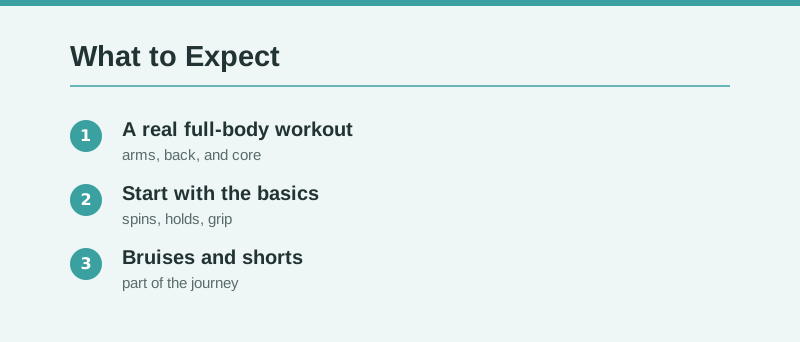
Make no mistake — pole fitness is a proper workout, not a light warm-up disguised as fun. It builds serious strength, particularly in your arms, shoulders, back, and core, as you learn to support and move your own bodyweight against gravity. Expect to work genuinely hard in your very first class and to discover muscles you didn’t know you had — the pleasant kind of ache that shows up the next morning. It’s challenging and rewarding in roughly equal measure, and strength gains tend to show up surprisingly fast compared to more familiar gym workouts.
What will your very first pole class actually look like?
Beginner classes are designed for beginners — nobody is going to hand you an inversion on day one. You’ll start with foundational spins, simple holds, and the grip-and-core strength work that everything else in pole is eventually built on. Progress is gradual and structured on purpose, so there’s zero pressure to keep up with anyone else in the room. Everyone starts exactly where you’re standing now, and good instructors meet you at your level with plenty of encouragement rather than expectation.

Is it true you get bruised, and do you really need shorts?
Yes to both, and neither is a big deal once you know what to expect. Pole “kisses” (small bruises) are genuinely normal early on, as your body’s skin and grip adapt to holding onto the pole — they fade within a week or two as your skin toughens up, the same way calluses form from any new grip-heavy activity. And yes, you’ll need to wear shorts, not leggings — bare skin is literally what grips the pole, while fabric just slides right off. These small quirks are simply part of the learning curve, and every single pole enthusiast has been through exactly the same adjustment period.
How long does it take to get good at pole fitness?
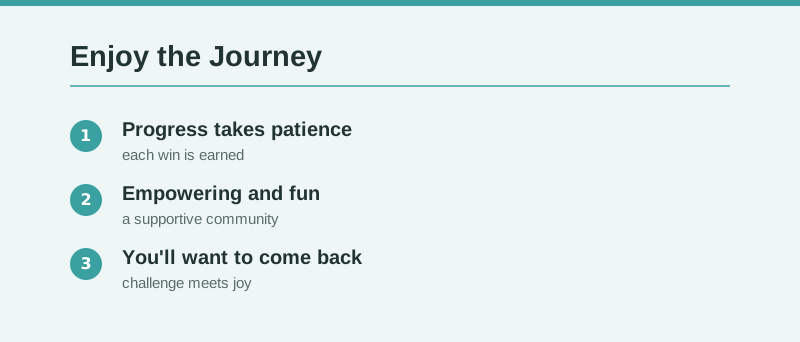
Learning pole is a genuine skill, closer to learning an instrument than picking up a new cardio machine, and progress takes real time and repetition. Some moves click within a single class; others take weeks of consistent practice before they finally land. This is completely normal, so be patient and kind with yourself rather than comparing your week-three self to someone’s month-six spin. The gradual pace is honestly part of the appeal — each new hold or spin you finally nail feels genuinely earned, not handed to you. Celebrate the small wins along the way; consistency, not intensity, is what brings the steady improvement.
FAQ
Do I need to be strong or flexible before starting pole fitness?
No — beginner classes are built for people with zero pole experience and no special strength or flexibility going in. Whatever strength and flexibility you need, you’ll build gradually through the classes themselves; showing up consistently matters far more than starting in great shape.
What should I wear to my first pole fitness class?
Wear shorts (not leggings, since bare skin is what grips the pole) and a supportive top that lets you move freely — many studios also recommend a tank top for arm and torso grip on higher moves. Check with your specific studio beforehand, since some also require or recommend specific grip aids like chalk.
Is pole fitness safe, or is the injury risk high for beginners?
Beginner classes are structured to introduce moves gradually and safely, with instructors watching your form closely, so serious injury is uncommon when you follow their guidance and don’t attempt advanced moves on your own. That said, any new physical activity carries some risk — listen to your body, don’t push through sharp pain, and check with a doctor first if you have an existing injury or health condition.
What Nobody Tells You
Nobody mentions how genuinely social pole studios tend to be — there’s a camaraderie in a room full of people falling, laughing, and cheering each other on that most gym classes just don’t have. Nobody tells you that the grip strength alone will start showing up in surprisingly unrelated places, like opening stubborn jars with ease. And here’s the part almost nobody warns you about beforehand: the emotional payoff — the confidence boost from doing something you were sure you couldn’t — tends to surprise people even more than the physical results do.
TL;DR:
- Pole fitness is a genuine full-body workout, building real strength in your arms, shoulders, back, and core.
- Beginner classes start with foundational spins, holds, and grip-and-core basics — nothing advanced on day one.
- A few bruises early on are normal and fade as your skin adapts; wear shorts, not leggings.
- Progress takes weeks of consistent practice, and that gradual pace is part of the appeal.
- Pole fitness for beginners is challenging, welcoming, and genuinely fun — check with a doctor first if you have an existing injury or health condition.
Keep Reading
This article is for general informational and styling purposes only. Fit, sizing, and product availability may vary — check current details before purchasing.