Getting Ready for Pole Inverts: The Strength and Prep You Need First
Going upside down on the pole is a milestone — but rushing it risks your neck, shoulders and confidence. Inverts demand real core and upper-body strength plus the right technique built in the right order. Here is why preparation matters, the strength and skills to develop first, and how to progress safely toward your first invert.
Why Inverts Demand Real Prep
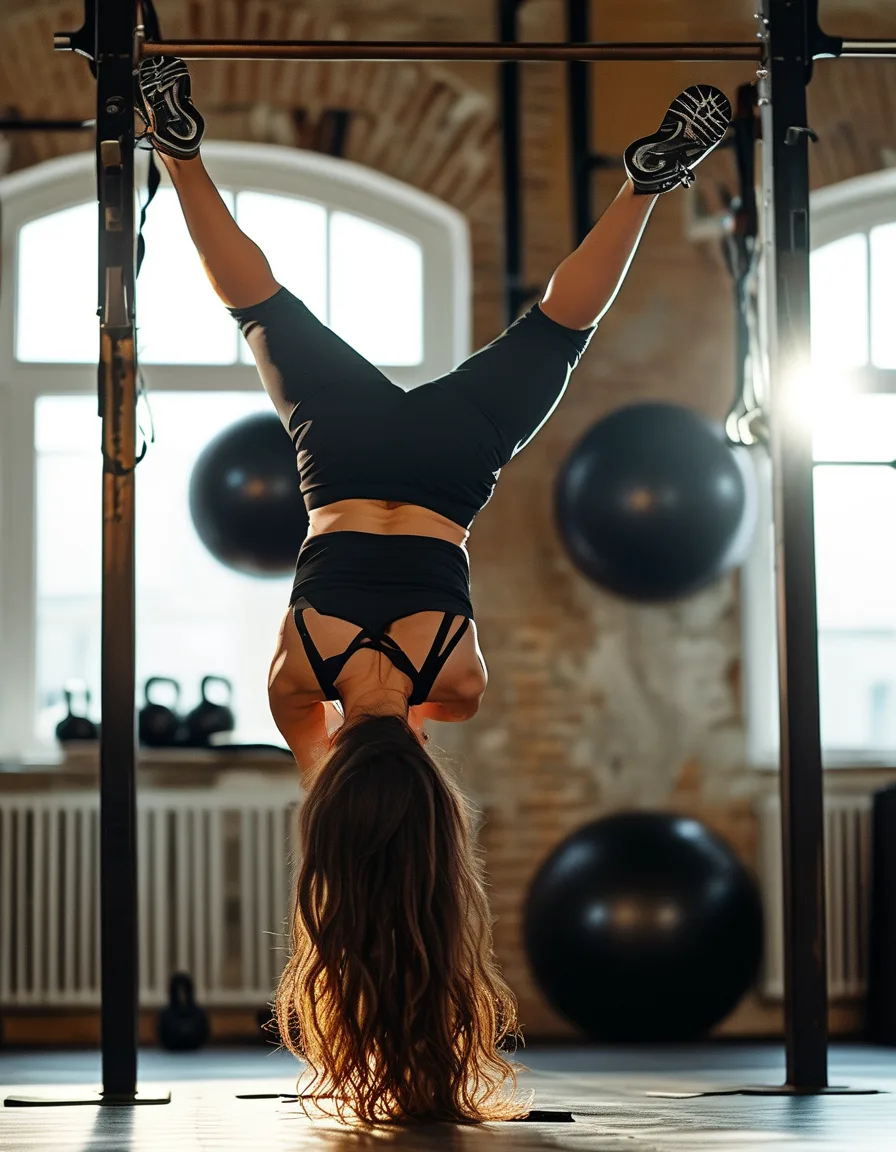
Respecting the move: the the-load-on-the-body (the inverting placing serious demand on the core, shoulders and grip — the strength-first; the earn-the-invert), the the-neck-safety (the a controlled invert protecting the neck, a rushed one risking it — the control-over-speed; the safety-is-the-priority), the the-technique-over-strength-alone (the the-right-mechanics mattering as much as raw power — the skill-and-strength), the the-confidence-comes-from-competence (the feeling ready reducing the fear that causes hesitation mid-move — the prepared-is-confident), the the-injury-prevention (the building the supporting strength that keeps shoulders healthy — the prehab-first), and the reframe (the pole invert as a milestone earned through strength and technique, not rushed — prepare properly and it comes safely).
The Strength and Skills to Build First
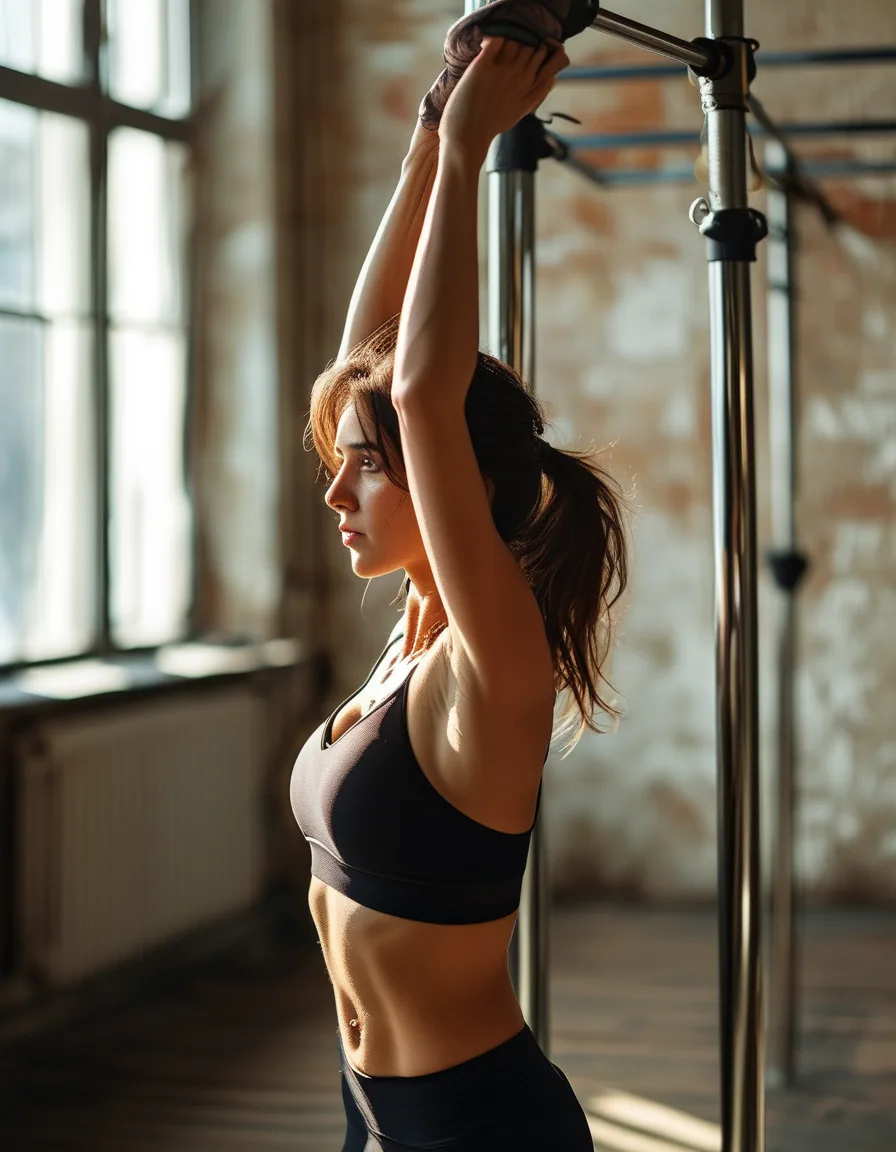
The foundation for inverting: the the-core-strength (the strong deep core to lift the hips and control the body — the the-engine; the crunches, leg-raises and hollow holds), the the-upper-body-pulling (the shoulder and back strength to support and pull — the the-pull-strength; from the conditioning logic), the the-grip-and-forearm (the grip endurance to hold securely — the the-grip-base; from the grip-strength logic), the the-shoulder-stability (the healthy, stable shoulders to bear load safely — the protect-the-joint), the the-leg-raises-and-tuck (the controlled leg lifts and tucks mimicking the invert entry — the the-pattern; build-the-motion), the the-hollow-body (the the-hollow-hold teaching full-body tension — the total-tension), and the the-progressions (the practicing entries low and controlled before full inverts — the build-in-steps).
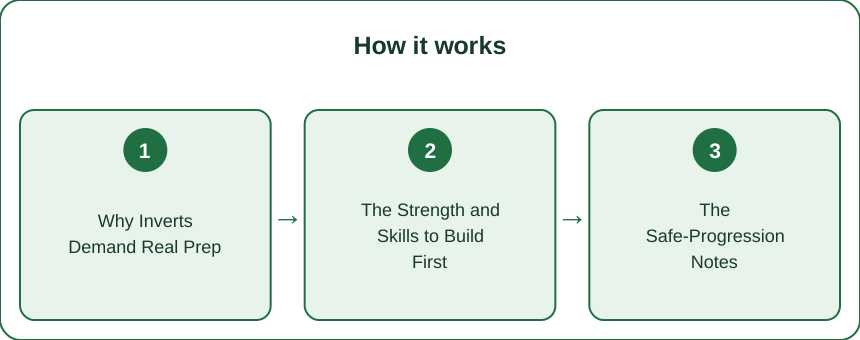
The Safe-Progression Notes
Going upside down safely: the the-instructor-guided (the learning inverts with a qualified instructor and crash mat — the do-not-self-teach; the spotted-and-safe), the the-strength-benchmarks-first (the hitting the strength markers before attempting from the milestones logic — the earn-the-move), the the-control-both-ways (the controlling the entry and the exit, not just getting up — the down-is-as-important), the the-engage-before-you-lift (the bracing the core and shoulders before inverting — the tension-first), the the-progress-gradually (the tuck inverts before straight-leg, low before high — the step-by-step), the the-rest-and-recover (the letting the shoulders and grip recover between sessions — the recover-to-progress), the the-never-through-pain (the stopping at any neck or shoulder pain — the pain-is-a-stop-sign), and the frame (the pole invert as a strength-and-technique milestone built with core, pulling and grip work, then practiced controlled with an instructor — upside down, safely. Build the core, pulling and grip strength first, hit your benchmarks, and progress under guidance with control both ways).
Going upside down on the pole is a milestone, but rushing it risks your neck, shoulders and confidence — inverts demand real core and upper-body strength plus correct technique in the right order. Build the foundation first: deep core strength (hollow holds, leg raises) to lift and control the hips, upper-body pulling strength, grip endurance, and stable shoulders, plus controlled tucks that rehearse the entry. Then progress safely — learn with a qualified instructor and a crash mat, hit your strength benchmarks before attempting, control both the entry and the exit, brace before you lift, go from tuck to straight-leg gradually, and stop at any neck or shoulder pain. Prepared properly, your first invert comes safely.
Keep Reading
This article is for general informational and styling purposes only. Fit, sizing, and product availability may vary — check current details before purchasing.